Traffic Congestion in Indian Cities: Kochi Makes It to the Global List of Worst Traffic Jams
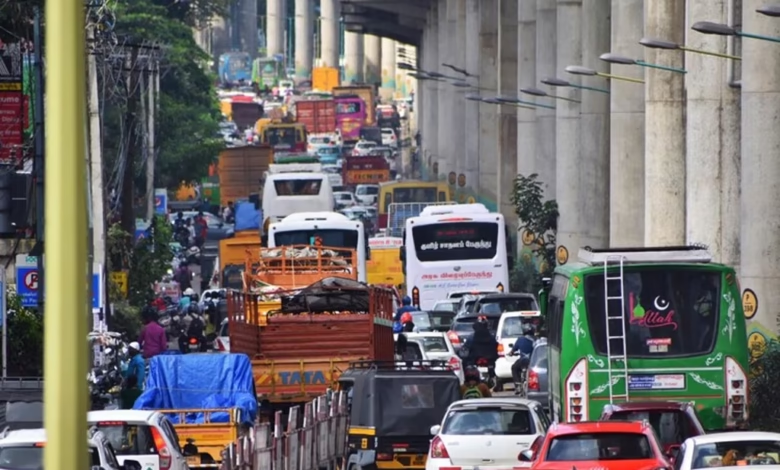
Traffic congestion in metropolitan cities of India is nothing new. However, even smaller cities are now grappling with gridlocks that leave commuters frustrated. In some cases, travelers spend hours stuck on the roads. Adding to the list of heavily congested cities globally, Kochi has secured a position, according to the latest TomTom Traffic Index report.
As per the report, it takes an average of 28 minutes and 30 seconds to travel 10 kilometers in Ernakulam during peak hours. Regular commuters lose up to 78 hours annually stuck in traffic jams in Kochi. The 14th edition of the TomTom Traffic Index analyzed traffic trends in 500 cities across 62 countries.
Top 10 Indian Cities with Worst Traffic
1. Kolkata
Kolkata leads the country with the worst traffic conditions. Known as the “City of Joy,” it ironically becomes a “City of Woes” during rush hours. Traveling 10 kilometers takes an average of 34 minutes and 33 seconds, resulting in an annual loss of 110 hours for commuters.
2. Bengaluru
Known for its infamous traffic jams, Bengaluru commuters take 34 minutes and 10 seconds to cover 10 kilometers during peak hours. Videos of people ordering food online and eating while stuck in traffic often go viral.
3. Pune
In Pune, it takes an average of 33 minutes and 22 seconds to travel 10 kilometers during busy hours. Residents spend approximately 108 hours a year in traffic.
4. Hyderabad
Commuters in Hyderabad require 31 minutes and 30 seconds to travel 10 kilometers. Despite efforts to improve public transport, the growing population remains a challenge. Globally, Hyderabad ranks 18th.
5. Chennai
Traveling 10 kilometers in Chennai takes about 30 minutes and 20 seconds. Narrow, poorly maintained roads worsen the traffic conditions, placing Chennai 31st globally.
6. Mumbai
Even with a vast public transport system, Mumbai’s dense population and limited road infrastructure result in an average of 29 minutes and 26 seconds to cover 10 kilometers.
7. Ahmedabad
As a cultural and commercial hub, Ahmedabad faces increasing traffic woes. It takes 29 minutes and 3 seconds to travel 10 kilometers during rush hours. Commuters hope the metro will help ease the congestion.
8. Ernakulam (Kochi)
In Kochi, 10 kilometers takes 28 minutes and 30 seconds to cover. Rapid urbanization, growing population, and increased tourism contribute to the congestion. Narrow roads and limited parking add to the chaos.
9. Jaipur
Tourism is a major reason for traffic bottlenecks in Jaipur. It takes 28 minutes and 28 seconds to travel 10 kilometers in the city.
10. New Delhi
Despite wide roads, the sheer number of vehicles creates challenges in New Delhi. Traveling 10 kilometers takes around 23 minutes and 24 seconds. Globally, the city ranks 122nd in terms of traffic congestion.
The report highlights the urgent need for better infrastructure, efficient public transport, and sustainable urban planning to combat traffic issues in these cities.